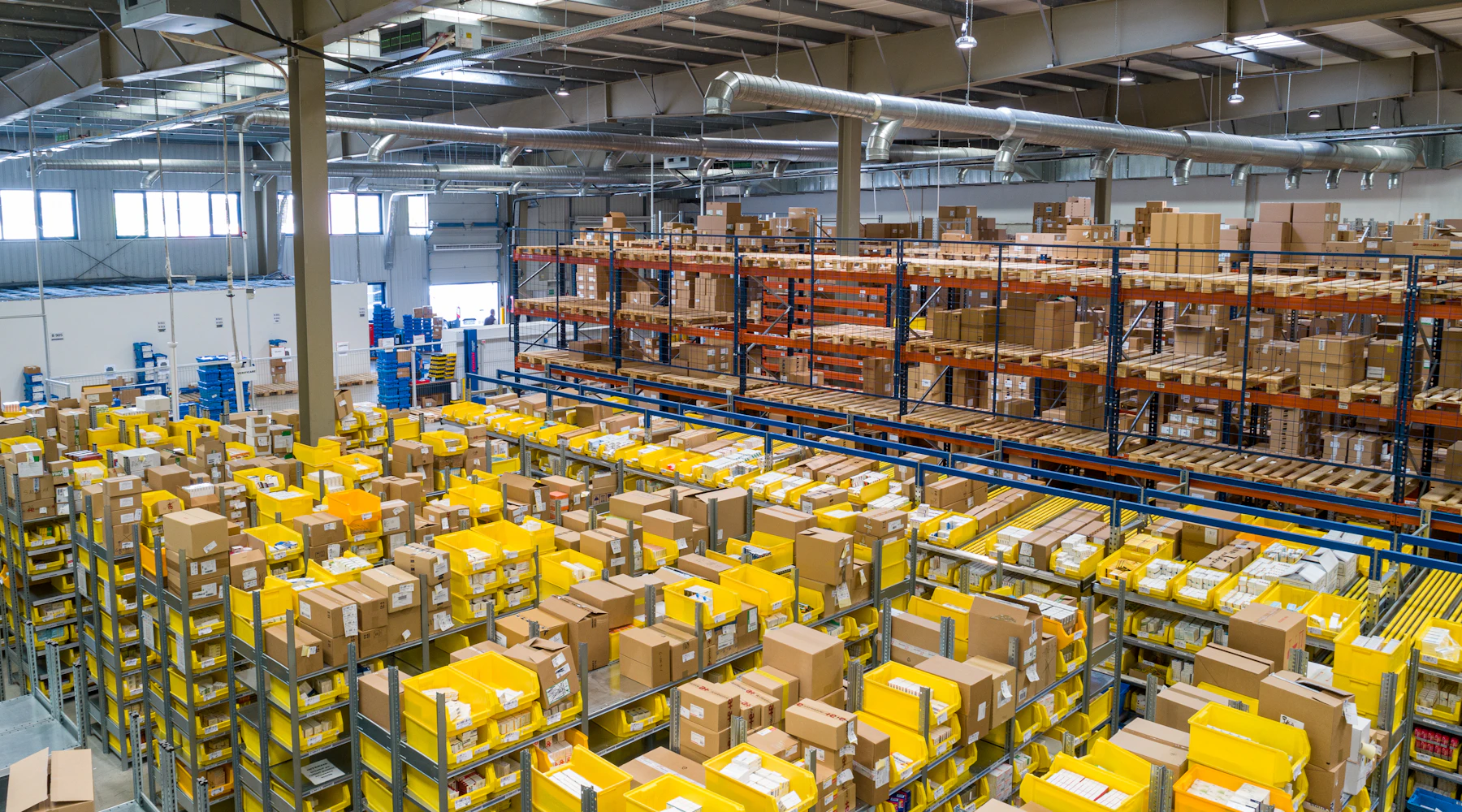
Freight shaped around your sector.
The right lane is not generic. It reflects the risk, handling profile and delivery promise of the cargo inside it.
Different cargo. Different failure modes.
We design around the way your freight can fail — missed connections, customs holds, temperature excursions, delivery attempts or damage. The result is a lane built for the risk, not a generic rate card.
E-commerce & retail
Peak planning, regional fulfilment, tracking notifications and returns-friendly final mile.
- Peak-season capacity planning
- Regional pick-pack and dispatch
- Delivery notifications and returns
Automotive
Inbound parts, cross-border linehaul and aftermarket deliveries with appointment control.
- Inbound-to-line scheduling
- Cross-border linehaul
- Dealer and aftermarket delivery
Healthcare & life sciences
Temperature-aware lanes, chain of custody and escalation playbooks for sensitive cargo.
- Temperature-aware routing
- Chain-of-custody documentation
- Exception escalation
Technology
High-value electronics with secure handling, appointment delivery and serial-level visibility.
- Secure handling protocols
- Appointment delivery
- Serial and carton visibility
Energy & industrial
Oversized components, project cargo and multimodal coordination across complex sites.
- Project cargo planning
- Heavy-lift coordination
- Multimodal routing
Food & perishables
Cold-chain planning, transit-time discipline and shelf-life protection from origin to shelf.
- Cold-chain planning
- Transit-time discipline
- Shelf-life aware routing
 Built around the delivery promise
Start with the risk. Then choose the mode.
A sector lane begins with the questions that matter: What can go wrong? What does the customer expect? What evidence do we need at delivery? The mode, carrier and documentation follow from those answers.
- Cargo profile and handling assessment
- Customs and documentation plan
- Carrier and routing selection
- Exception and escalation playbook
- Proof-of-delivery standard
Tell us what makes your freight different.
We will design the lane around the risk, not around a generic template.